
Japanese Beyond Textbooks

購入済み


作品情報
Why は (wa) and not が (ga)? Why does your Japanese friend reply "りょ (ryo)" instead of "わかった (wakatta)"? And what is the difference between ふわふわ (fuwafuwa) and もちもち (mochimochi)?Textbooks teach you the rules. This book shows you how Japanese really works.Beyond the Textbook takes the points that learners often find confusing and explains them through illustrated scenes from everyday life in Japan: a train station, a park, a kitchen, a restaurant and a street corner in Shibuya. See the difference, and remember it.Inside you will find:・Common mistakes, from は (wa) vs が (ga) to 行く (iku, go) vs 来る (kuru, come)・Particles that change the meaning of a sentence, such as で (de) vs に (ni)・Counters, time and quantity for everyday situations・Keigo mistakes that even native speakers make・Slang young people actually use, such as 推し (oshi, your favorite idol or character), エモい (emoi, emotional) and タイパ (taipa, time efficiency)・Onomatopoeia for food, feelings and the weather・Words that sound the same but use different kanji, such as 計る, 量る and 測る (hakaru, to measure)〜目次〜Chapter 1: Young People's Slang Today いまどきの若者ことばChapter 2: Using Onomatopoeia オノマトペの使い分けChapter 3: Same Sound, Different Kanji 同じ音、ちがう漢字Chapter 4: Common Mistakes in Japanese 日本語のよくある間違いChapter 5: Choosing the Right Particle 助詞の使い分けChapter 6: Expressing Time & Quantity 時間と数量の表し方
- 著者
- 出版社 秀和システム新社
- ジャンル
- 電子版配信開始日 2026/11/20
- ファイルサイズ 29.08 MB
作品をシェアする
同じ作者の本
-
Japanese Beyond Textbooks
¥1,782
購入済み
-

SUPER REAL JAPANESE
¥1,650
購入済み
秀和システム新社のおすすめ本
-
Japanese Beyond Textbooks
¥1,782
購入済み
-

不動産投資の不安や悩みがスッキリ消える本
¥1,584
購入済み
-
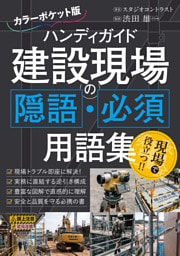
ハンディガイド 建設現場の隠語・必須用語集
¥2,178
購入済み
-
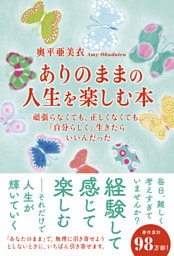
ありのままの人生を楽しむ本
¥1,683
購入済み
-

1級建築施工管理技士第一次検定選択対策&過去問題2027年版
¥2,970
購入済み
-
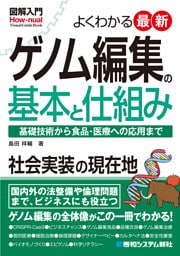
図解入門よくわかる 最新 ゲノム編集の基本と仕組み
¥1,980
購入済み
-
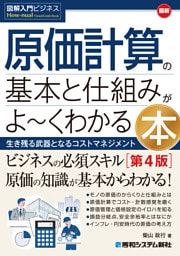
図解入門ビジネス 最新 原価計算の基本と仕組みがよ〜くわかる本[第4版]
¥1,782
購入済み
-
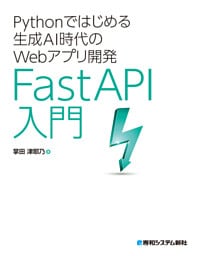
Pythonではじめる生成AI時代のWebアプリ開発 FastAPI入門
¥3,168
購入済み
-
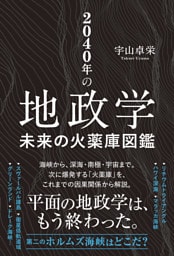
2040年の地政学
¥1,980
購入済み
-
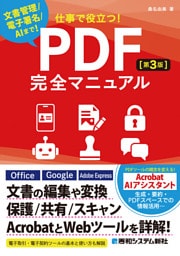
仕事で役立つ!PDF完全マニュアル[第3版]
¥1,980
購入済み
言語・語学・辞典のおすすめ本
-
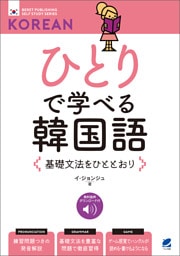
ひとりで学べる韓国語 基礎文法をひととおり [音声DL付]
¥2,200
購入済み
-
Japanese Beyond Textbooks
¥1,782
購入済み
-

ギネス世界記録2027
¥3,960
購入済み
-
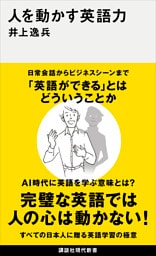
人を動かす英語力
¥1,210
購入済み
-
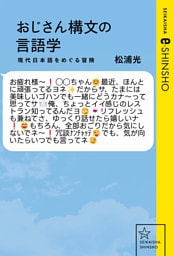
おじさん構文の言語学 現代日本語をめぐる冒険
¥1,485
購入済み
-

ストーリーと型でよくわかる ふだんの英会話12ヶ月
¥1,870
購入済み
-

音声DL BOOK NHK「ラジオ英会話」 まずはこれだけ ネイティブ英語発音10のルール
¥1,430
購入済み
-
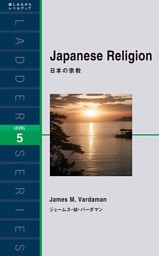
日本の宗教
¥1,100
購入済み
-
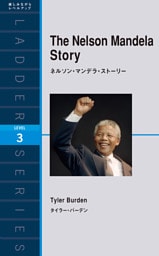
ネルソン・マンデラ・ストーリー
¥1,100
購入済み
-
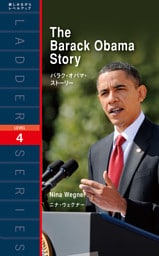
バラク・オバマ・ストーリー
¥1,100
購入済み